
Trigger finger happens when the tendons in your fingers become inflamed, causing pain, stiffness, or a catching sensation. In some cases, the finger may lock temporarily. A Trigger Finger Workout can help improve flexibility, reduce discomfort, and support healthy finger movement. These gentle exercises can be done safely at home, especially in mild or early cases.
Causes of Trigger Finger
Trigger finger usually develops when the tendons in your fingers become irritated or inflamed. This can happen due to:
-
Frequent gripping or repetitive hand movements
-
Overuse leading to tendon irritation
-
Inflammation near the finger base
-
Health conditions like diabetes or arthritis
When the tendon swells, it struggles to glide smoothly through its sheath, causing pain, stiffness, or a locking sensation. A Trigger Finger Workout with targeted exercises can help manage these symptoms effectively.
Trigger Finger Workout Benefits
A Trigger Finger Workout helps reduce stiffness and relieve finger pain. These exercises, also called finger tendon workouts, improve flexibility and support smooth tendon movement. Gentle stretches and strengthening moves in a Trigger Finger Workout can prevent locking and improve hand function. Practicing regularly aids in recovery and maintains healthy finger mobility.
Warm Up: Start With Gentle Mobility
Before doing strengthening exercises, always warm up your fingers with slow, controlled movements.
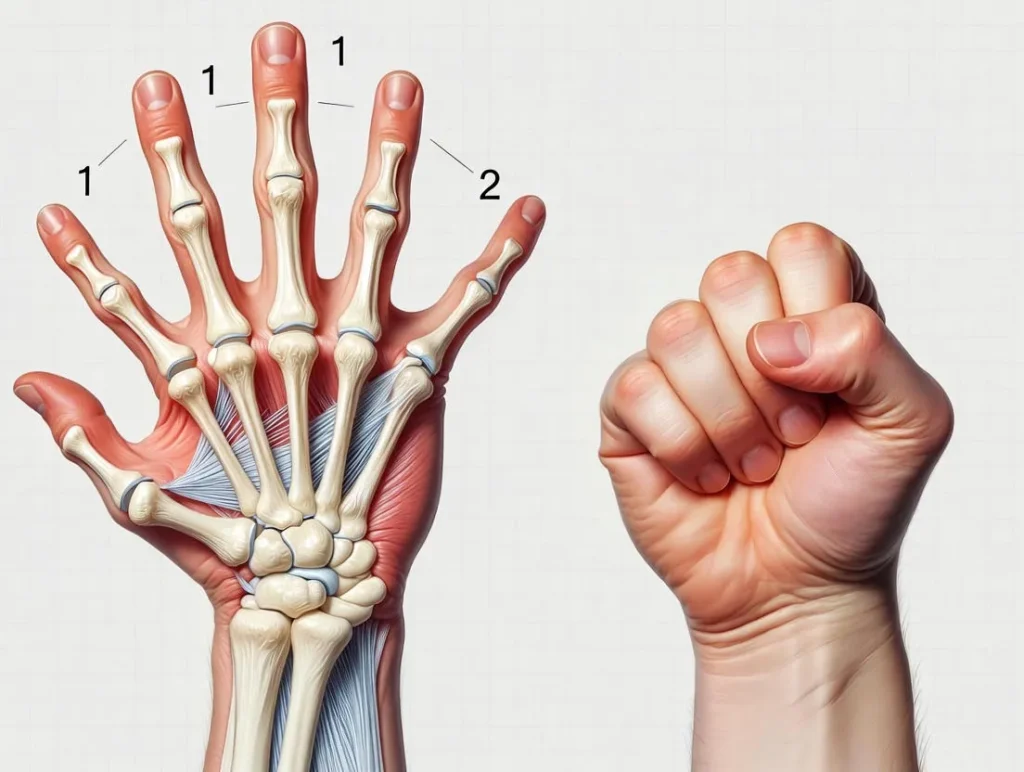
1. Hand Clench
-
Rest the side of your hand on a flat surface.
-
Spread your fingers wide.
-
Slowly bend your fingers toward your palm until they gently touch it.
-
Straighten and spread your fingers again.
Benefits: Enhances basic mobility and warms up the tendons.
2. Finger to Thumb Touch
-
Lay your hand palm up.
-
Touch your thumb to your pinky and return.
-
Repeat with each finger.
Benefits: Enhances finger coordination and supports trigger finger workout.
3. Single Finger Joint Bend
-
Hold your hand relaxed.
-
Use the opposite hand to support the base of the affected finger.
-
Slowly bend and straighten the finger.
Benefits: Gently isolates movement in the affected tendon.
4. Wrist Side to Side Movement
-
Place your hand palm-down on a table.
-
Move your hand side to side like a windshield wiper.
Benefits: Improves mobility in both wrist and finger tendons.
5. Finger Extensor Stretch
-
Place your palm flat on a surface.
-
Lift one finger at a time using your other hand.
-
Hold briefly, then lower.
Benefits: Reduces stiffness and improves flexibility.
Strengthening Exercises for Better Support
Once warm-ups feel comfortable, add gentle strengthening to support tendon function.
1. Rubber Band Finger Stretch
-
Place a light elastic band around your fingers and thumb.
-
Spread your fingers outward against resistance.
-
Slowly return to the starting position.
Benefits: Strengthens extensor muscles and supports tendon movement.
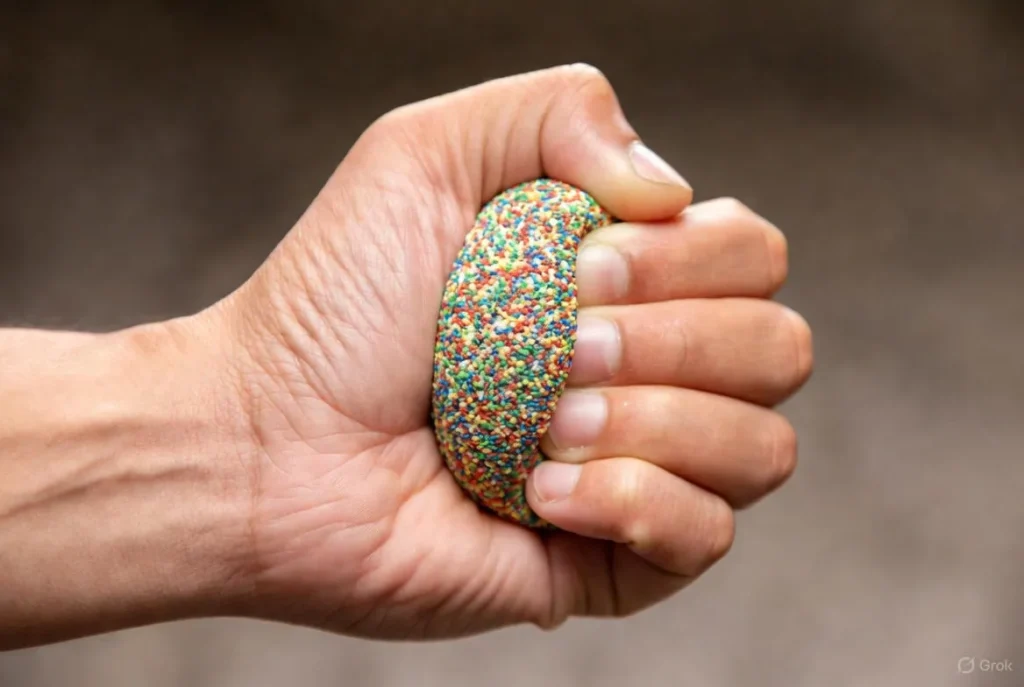
2. Stress Ball Squeeze
-
Hold a soft stress ball in your palm.
-
Gently squeeze for 2–3 seconds.
-
Release slowly.
Benefits: Builds grip strength without overloading the tendons.
3. Small Object Pick-Up
-
Place small objects (coins, buttons) on a table.
-
Pick them up one by one using your fingers and thumb.
Benefits: Improves dexterity and fine motor control.
4. Towel Scrunch
-
Place a small towel Beauty on a table.
-
Use your fingers to pull it inward, gathering the fabric.
Benefits: Strengthens finger and hand muscles safely.
Should You Add Massage?
A soft, gentle massage around the affected finger can help relax tight tissues and improve circulation. It can be done before or after your exercises.
Regular Trigger Finger Workout improves finger control, ideal for trying advanced nail art techniques at home.
When to See a Professional
Exercises are helpful, but they might not solve every case. Seek medical advice if:
-
Pain becomes severe
-
Your finger locks frequently
-
You notice swelling or heat
-
You see no improvement after several weeks
Early attention can prevent the condition from getting worse.
Tips for Best Results
-
Be consistent but gentle
-
Avoid movements that cause sharp pain
-
Start with low-resistance exercises
-
Keep your hands warm before stretching
-
Take breaks if your job requires heavy hand use
FAQ,S
What is a trigger finger workout?
A trigger finger workout includes simple hand and finger exercises designed to reduce stiffness, pain, and locking of the finger. These exercises help improve tendon flexibility and blood circulation. When done regularly, they can ease mild trigger finger symptoms. Workouts are often recommended as a non-surgical treatment option.
Can easy exercises really help trigger finger?
Yes, easy trigger finger exercises can help relieve symptoms, especially in early or mild cases. Gentle stretching and strengthening reduce tendon inflammation and improve finger movement. Consistency is key for noticeable improvement. Exercises are often combined with rest and activity modification.
What are the best easy exercises for trigger finger?
Some of the best exercises include finger stretches, fist opening and closing, tendon gliding, and rubber band resistance movements. These exercises help maintain flexibility and reduce finger locking. They are easy to perform at home without equipment. A few minutes daily can be beneficial.
How often should I do trigger finger workouts?
Trigger finger workouts are usually recommended once or twice daily, depending on symptom severity. Each session should include gentle movements without forcing the finger. Overdoing exercises may worsen pain. A healthcare provider can guide the ideal frequency.
Are trigger finger exercises safe for everyone?
Trigger finger exercises are generally safe, but they should be done carefully and without pain. People with severe pain, swelling, or persistent locking should consult a doctor first. Exercises should be stopped if symptoms worsen. Professional advice ensures safe recovery.
When should I see a doctor instead of doing exercises?
You should see a doctor if trigger finger symptoms do not improve after a few weeks of exercise. Severe locking, constant pain, or finger stiffness may need medical treatment. Early medical care can prevent complications. Exercises are best used alongside professional guidance.
Final Thoughts
Trigger finger can be uncomfortable, but with the right exercises, many people find relief and improved mobility. These workouts support healthy tendon movement, reduce stiffness, and promote recovery. Wearing hand-friendly bracelets or accessories while doing gentle exercises can help remind you to maintain proper finger posture. Regular practice, patience, and good hand care can make a noticeable difference, especially in the early stages of the condition.